The Ultimate Nissan GT-R
The Nissan GT-R LM NISMO is the ultimate Nissan GT-R, the purest expression of innovation that excites. Competing in LM P1, the premier class of world sports car racing, Nissan’s Le Mans car is like no other car before it.
The car will debut at this years Le Mans 24 Hours and race in the FIA World Endurance Championship.
A truly global effort, the GT-R has been created by a team of carefully selected experts in Japan, the US and Europe.
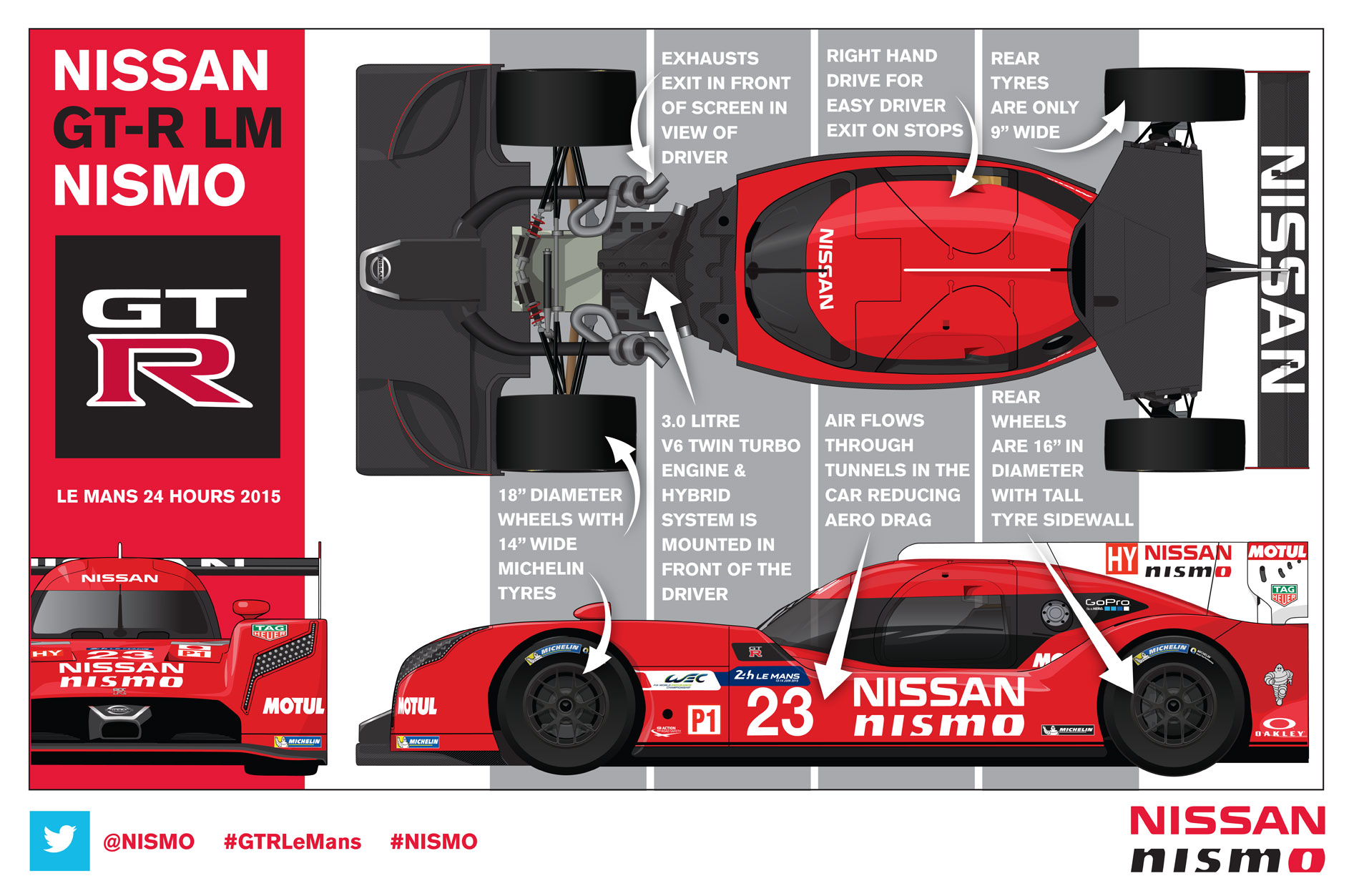
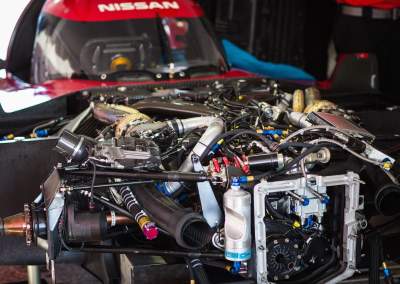
Unlike other LM P1 cars, the GT-R’s V6 3-litre twin turbo petrol engine sits in the front of the front-wheel- drive car, while the hybrid power is harvested from the front driveline to augment acceleration.
The race features a host of unique and innovative features never before seen at the Le Mans 24 Hours.
Length (mm)
Width (mm)
Height (mm)
Minimum weight (kg)
The purest expression of innovation that excites.
Configuration
Front engine. Front-wheel-driveChassis
FIA Homologated weight: 870 kg. Right-hand driving position68 litre capacity FT3 fuel tank featuring electric lift and feed pumps. ERS housed ahead and beneath driver’s feet inside the survival cell.
Transmission
5-speed + reverse sequential gearbox with pneumatic paddle shift system. Epicyclic final drive reduction with hydraulic limited slip differential. Tilton 3-plate carbon clutch assemblyElectrical
Cosworth engine control unit featuring: Engine control, gearbox control; Driver adjustable traction control, Anti-lag system control, lift-and-coast fuel conservation, Drive-by-wire throttle control and ERS deployment strategy controlData / display system
Cosworth Electronics with NISMO steering wheel mounted LCD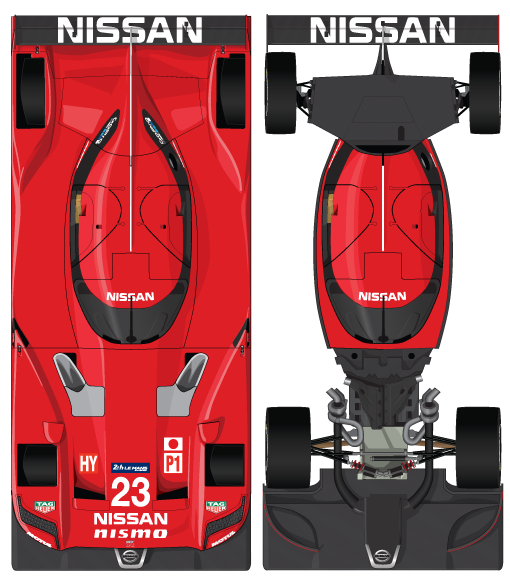
Our unique tyre package
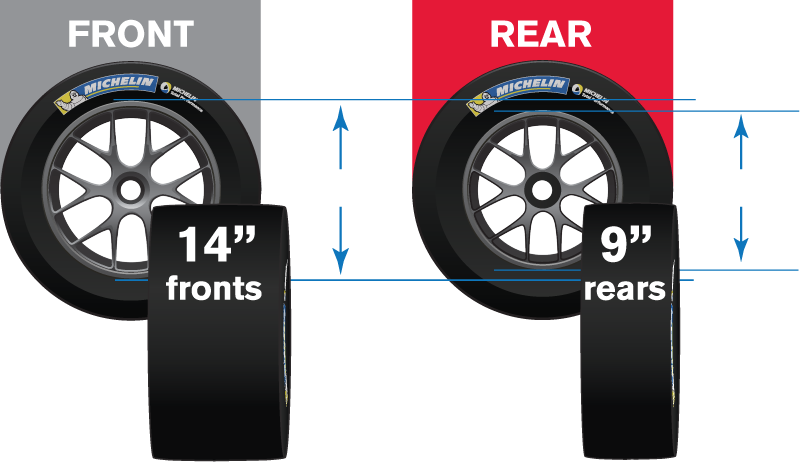
The Nissan GT-R LM NISMO will race on Michelin 31/71-18 (front) and 20/71-16 (rear) tyres. The tyre package is dramatically different from our rivals.
While the front tyre on all the LM P1 factory teams are similar at 14 inches wide, Nissan has placed a priority on reducing aerodynamic drag with narrower rear tyres that are only nine inches wide.
The rear tyres on the Nissan GT-R LM NISMO also use a smaller diameter rim - 16 inches versus the 18 inch rims used on the front of the car.
Like no other car
Tyres/Wheels
Michelin 31/71-18 front, 20/71-16 rear radialsBBS centre-lock, magnesium forged 18”x13” front and 16”x9” rear
Bodywork
Carbon-composite body panels. Polycarbonate windscreen with hard coating CFD and full scale wind tunnel developed ultra high efficiency bodywork geometry, adjustable rear wing.Suspension
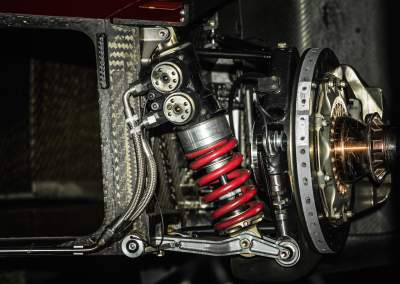
Ohlins multi-adjustable front dampers and Penske multi-adjustable rear dampers, hydraulic rear anti-roll bar system.Brakes
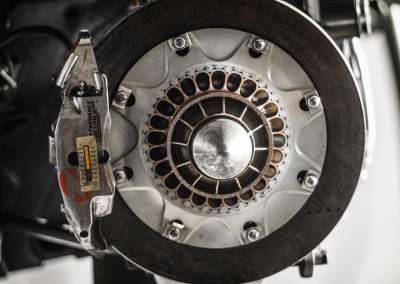
6-piston front and 4-piston rear calipers. Driver adjustable brake bias.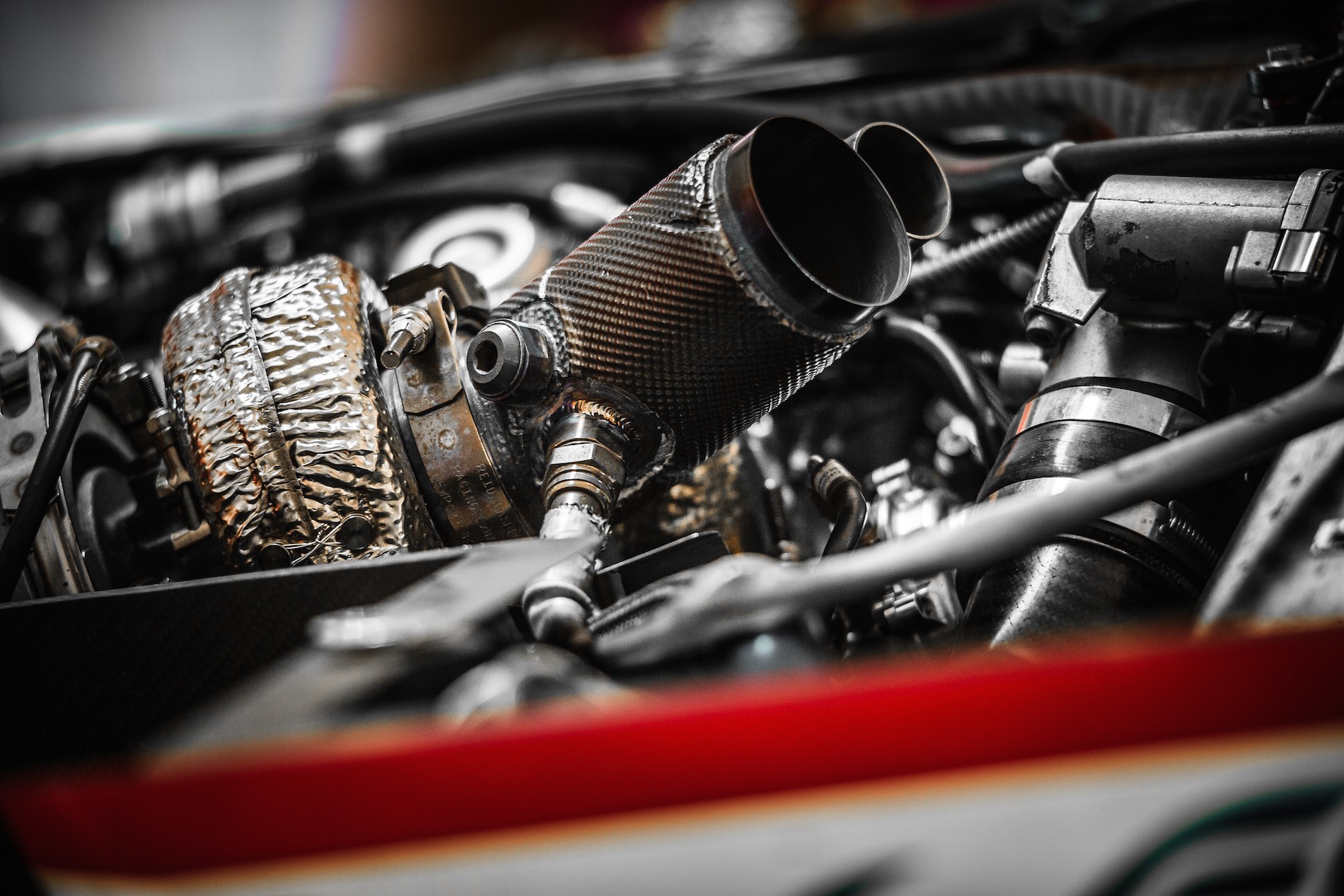
Can you explain how the different power sources work on the GT-R?
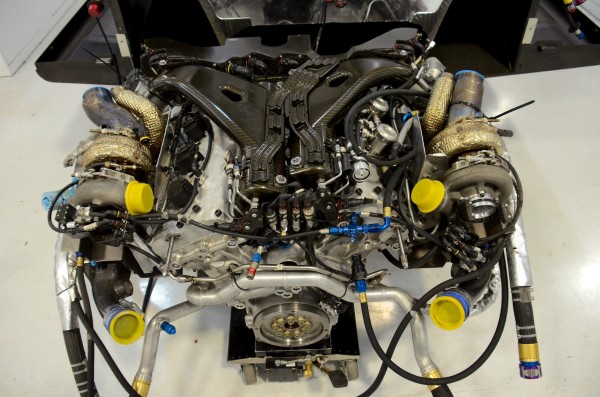 We have a very modern but conventional V6 3-litre twin turbo petrol engine. This is a very efficient engine so it produces a large amount of power using the allotted fuel flow limit. The fuel flow limit is one of the new regulations at Le Mans – we’re not limited by the engine capacity or the boost pressure or the RPM of the engine – we’re limited by how many grammes of fuel per second we can burn.
So the more efficient you make the engine the more power you have because you are still burning the same amount of fuel whether you are efficient or inefficient so if you can make a very efficient engine you get a lot of power. We are burning a smaller amount of fuel, around 30% less than was used by a petrol engine at Le Mans in 2013, for example
.
Why doesn’t the Nissan GT-R LM NISMO look like the other LM P1 car?
The regulations have allowed us the freedom to create a significantly different looking car.
Nissan are bold challengers who are prepared to innovate in order to get a high performance outcome so we’ve turned the whole concept of the conventional LM P1 car of 2014 on its head.
The result is that our car looks different as the cockpit has been moved significantly rearwards to accommodate the engine at the front of the car
.
Why are the front tyres bigger than the rear?
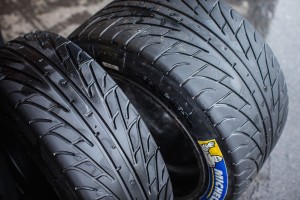 The front tyres on the Nissan GT-R LM NISMO are bigger than the rear tyres – 14 inch wide front vs. 9 inch rear. This is due to the way that mass is distributed in the car. We have moved the weight bias forwards to give us traction for the front-engined, front-wheel drive. The car also runs on 18 inch rims on the front and 16 inch on the rear.
We’ve also moved the aero forwards so we’ve moved the capacity of the tyres forward to match the weight distribution. So the aero centre of pressure, the mass centre of gravity and the tyre capacity are all in harmony and that means we have bigger tyres at the front than the rear.
Why is the Nissan GT-R LM NISMO front wheel drive?
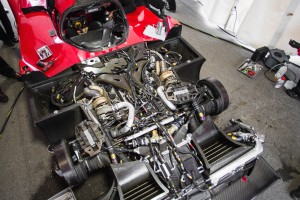 The Nissan GT-R LM NISMO is in automotive-speak a front-engined, front-wheel-drive car. The internal combustion engine drives the front wheels and the energy recovery system harvests energy from the front wheels.
We’ve used the relatively low-powered internal combustion engine to drive the front wheels and then we add power from the ERS to augment acceleration.